Greenhouse Automation: Build One Reliable Control Loop at a Time
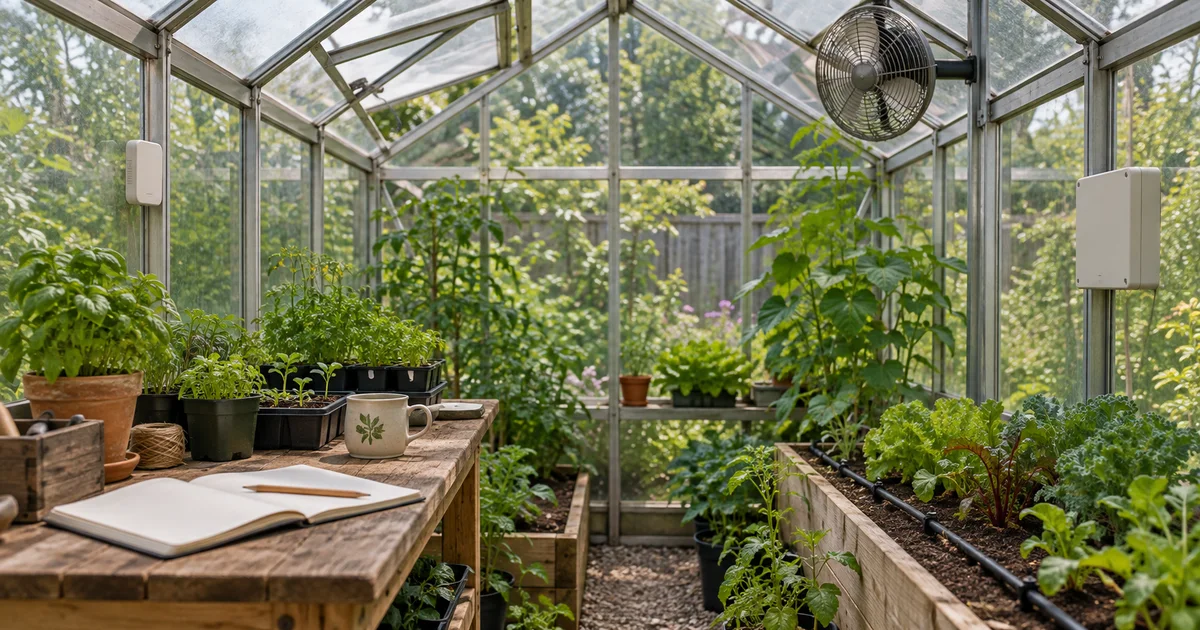
Build greenhouse automation around one observable control path. Map its sensor, decision, action, verification, and fallback before expanding the system.
Build greenhouse automation around one observable control path. Map its sensor, decision, action, verification, and fallback before expanding the system.
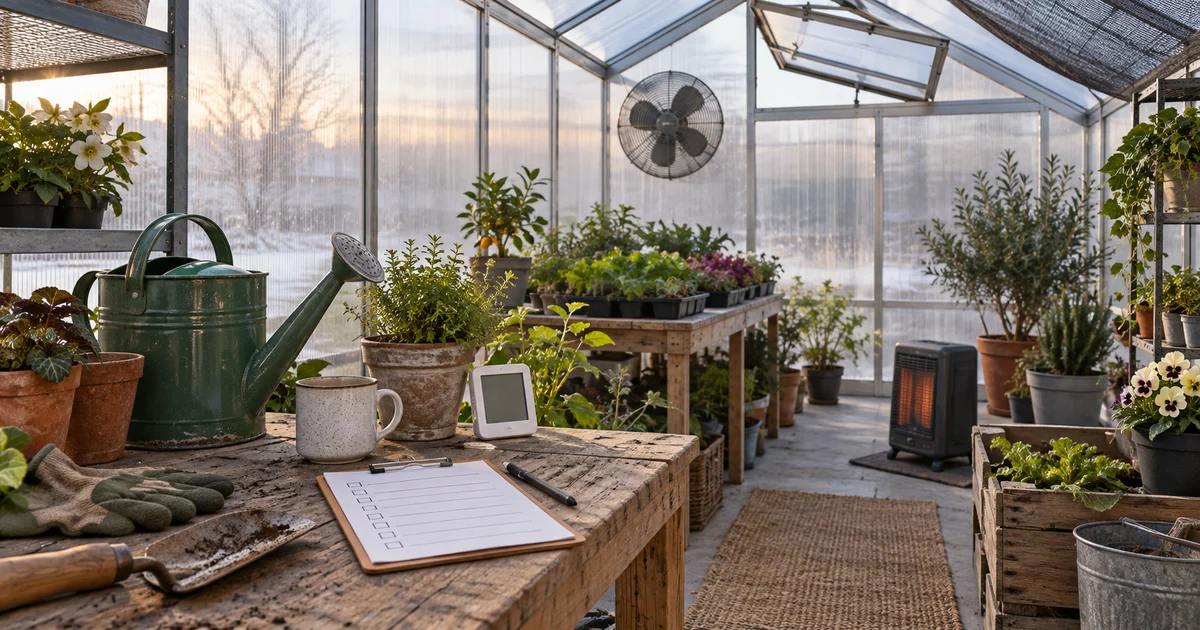
Prepare greenhouse climate controls before conditions change. Check each response path, compare expected and observed behavior, and record PASS, WATCH, SERVICE, or STOP.
A greenhouse thermostat must match the fan job and documented control requirements. Use this worksheet to decide FIT, VERIFY, SKIP, or STOP without guessing.
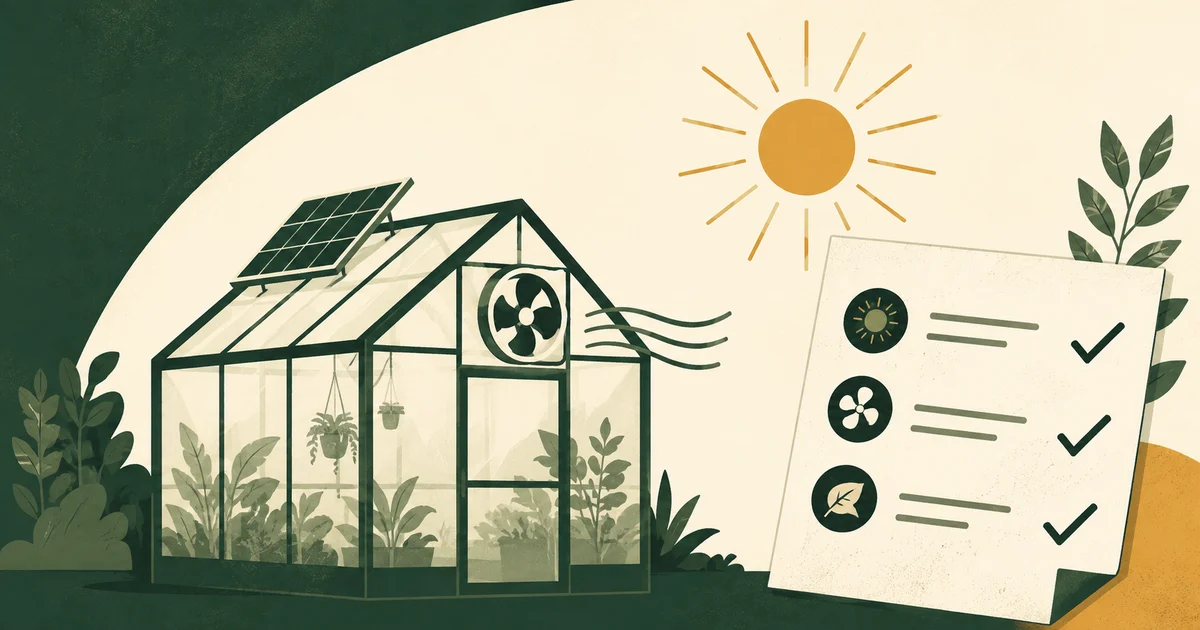
Solar greenhouse ventilation starts with required airflow, not panel wattage. Use this planning sequence to test energy assumptions and find stop conditions before spending money.
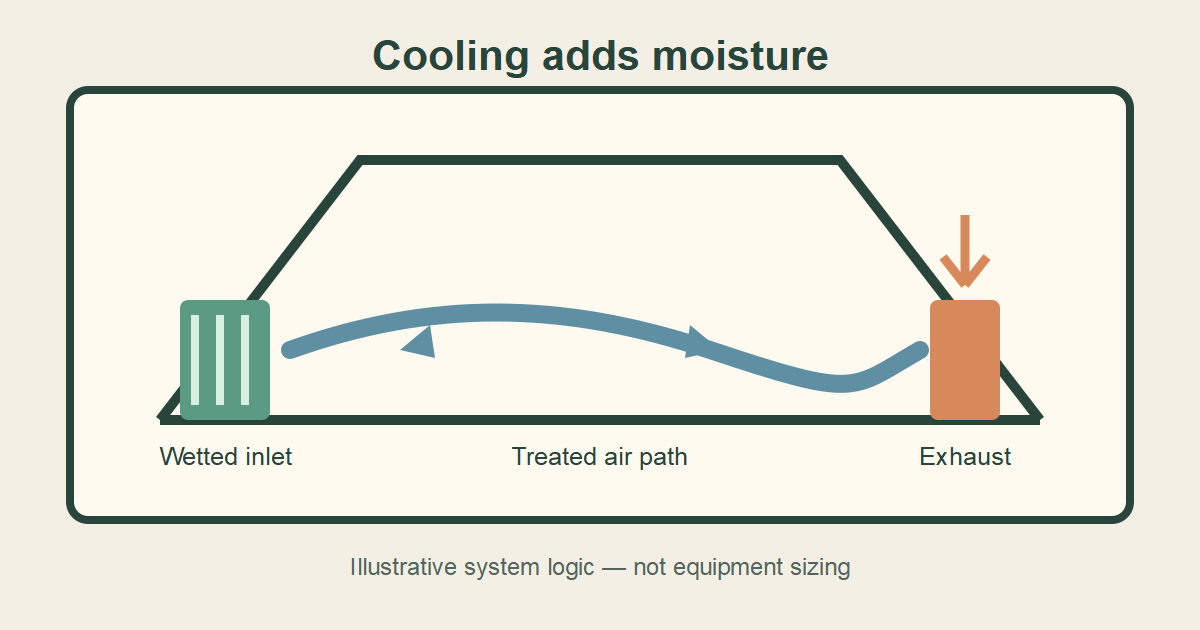
Evaporative cooling can lower incoming-air temperature but adds moisture. Measure humidity, shade and airflow conditions before deciding whether it fits.
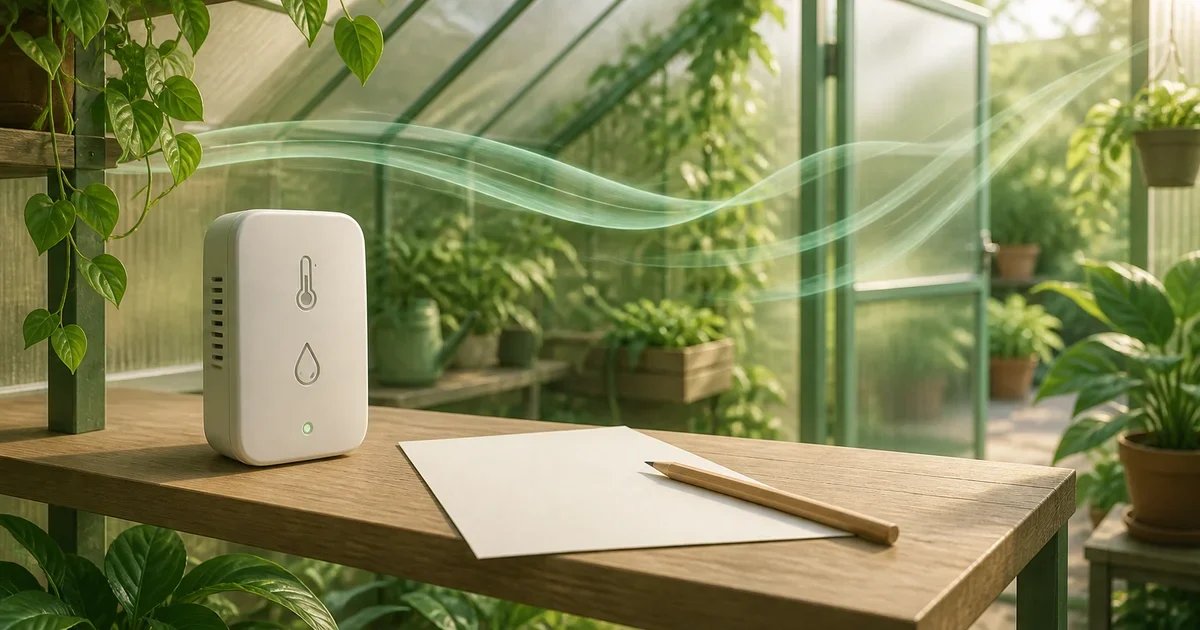
Build a bounded greenhouse monitoring workflow that turns sensor readings into alerts, logs, inspections, or stop conditions without universal thresholds.
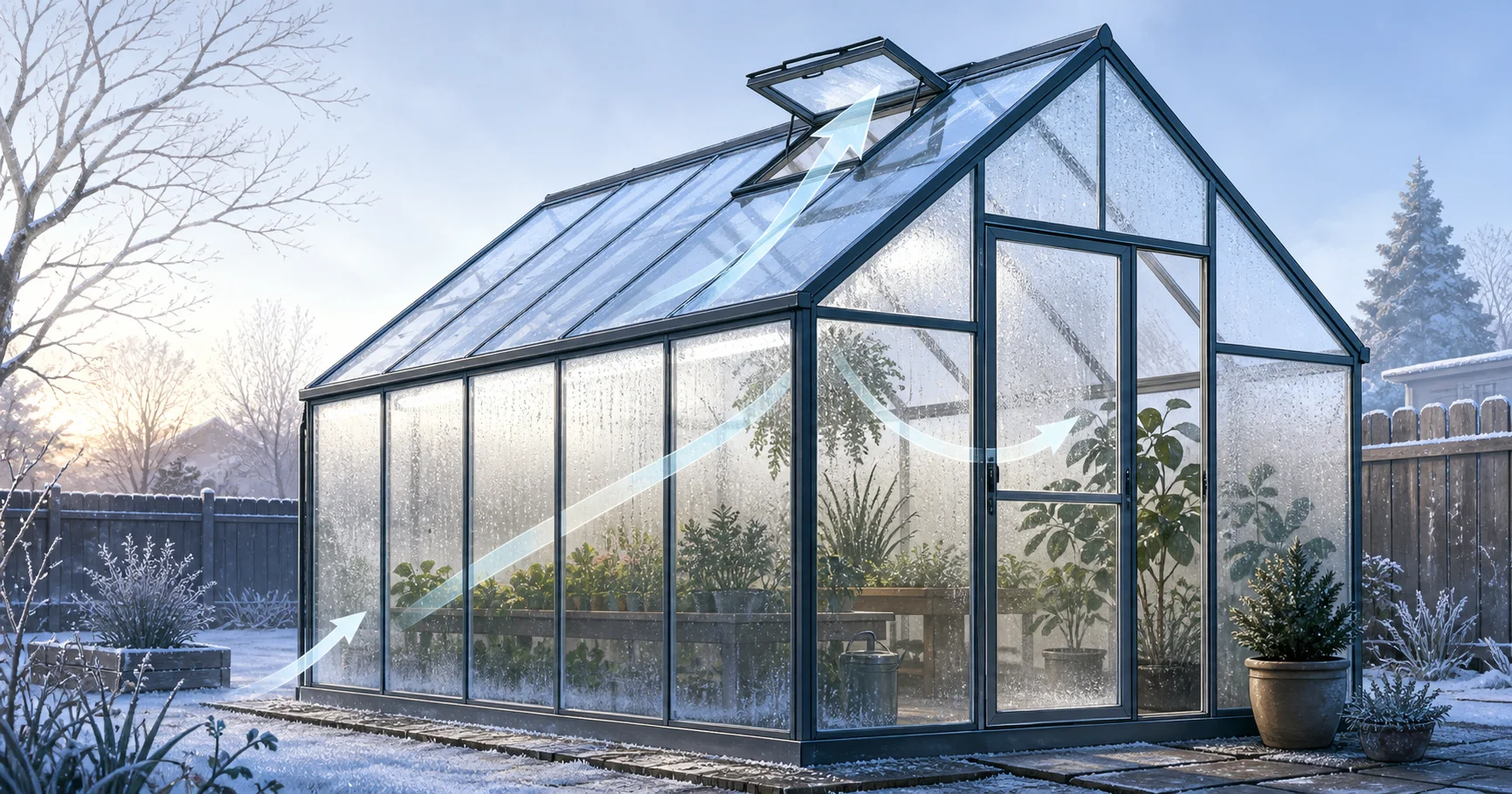
A measurement-first winter ventilation guide for checking condensation, moisture sources, intended openings, uncontrolled leaks, and the next useful action.
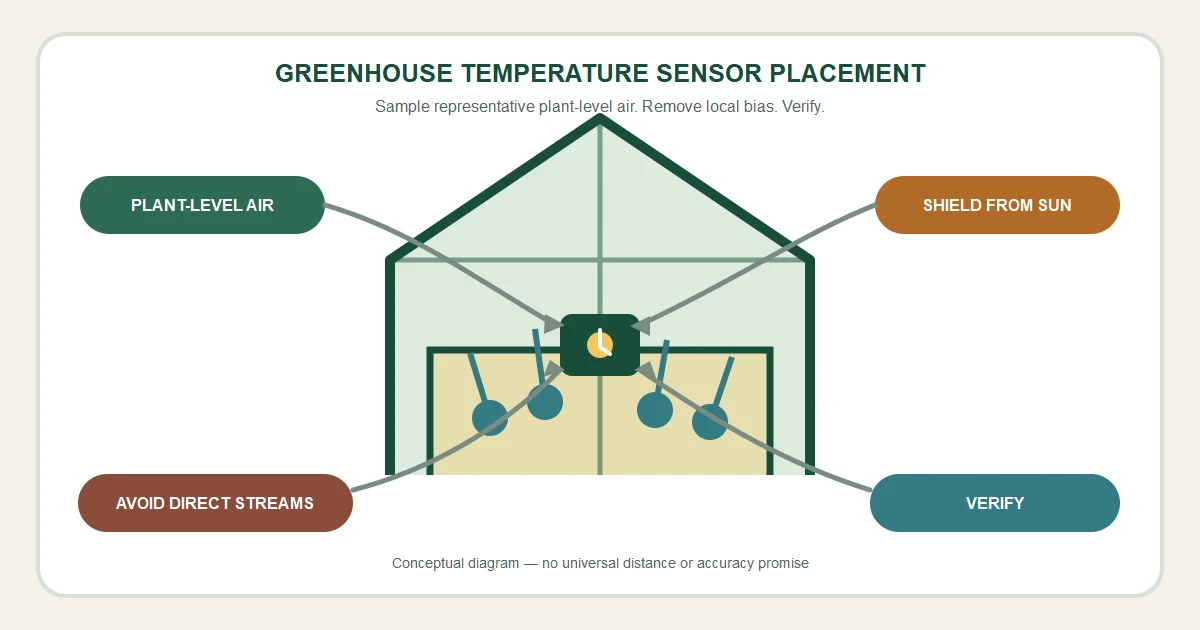
Choose a representative canopy-level sensor location, avoid radiation and equipment bias, and verify the reading with a practical worksheet.
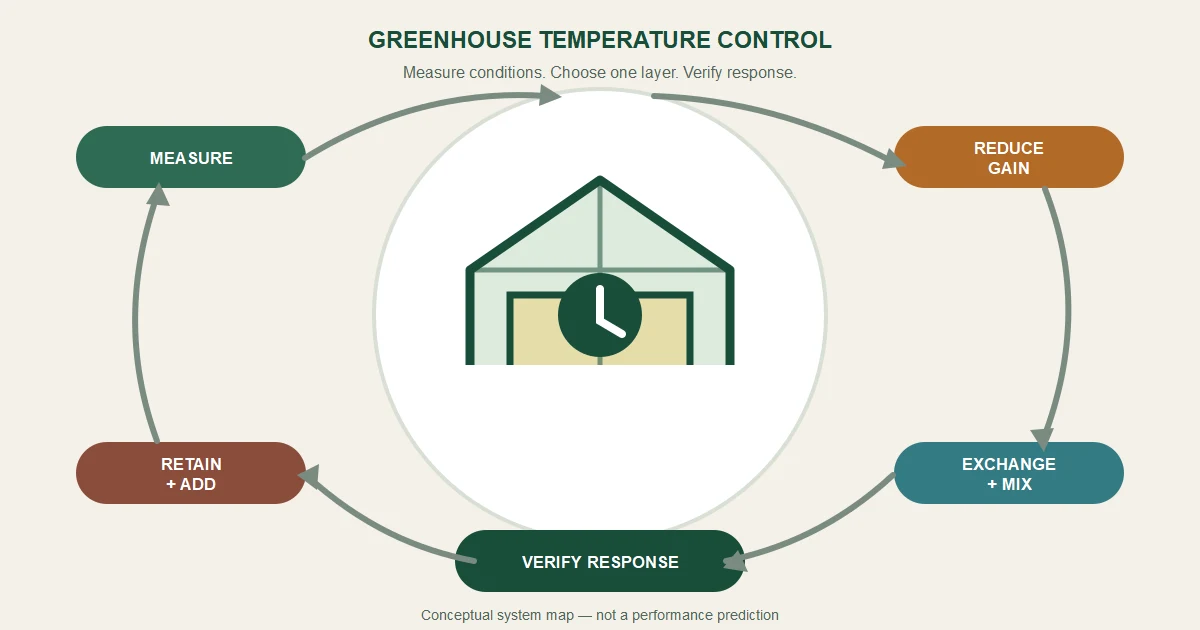
Diagnose greenhouse temperature swings with a staged control framework, symptom matrix, and reusable response log—without relying on universal setpoints.
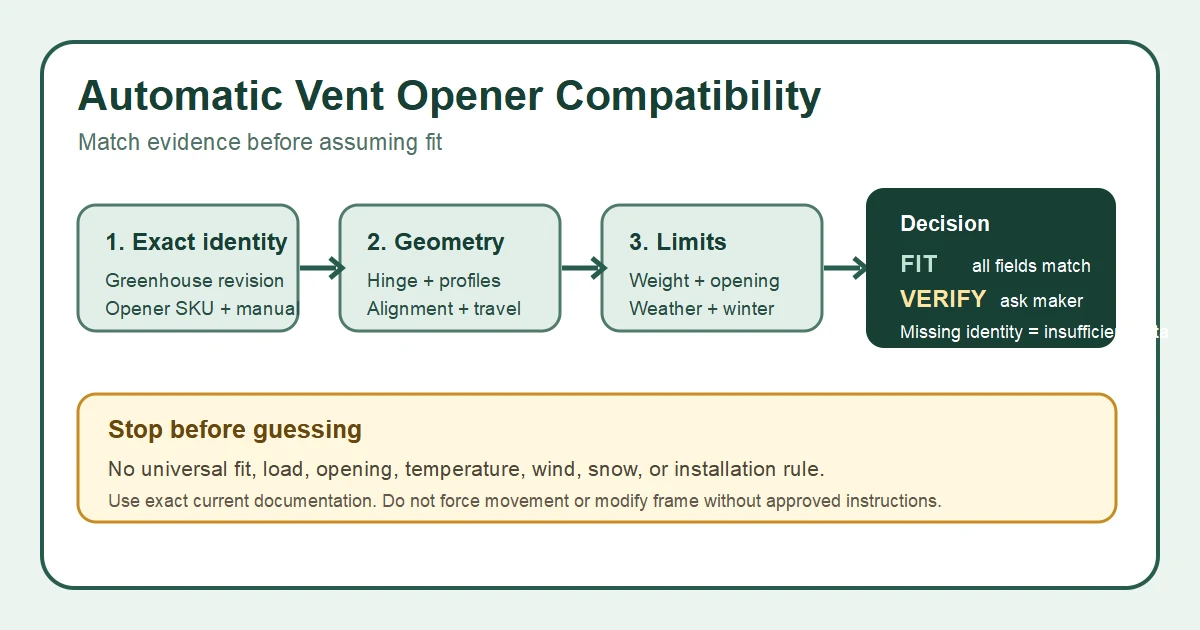
Verify an automatic greenhouse vent opener against the exact vent, manual, geometry, limits, and seasonal conditions before assuming fit.